Zambia vs Zimbabwe: Which Side Has the Best View of Victoria Falls?
The debate between travellers arriving on either side of the Zambezi River is as old as safari travel itself. Standing on the historic border bridge, watching the spray drift high into the afternoon sky, you quickly realize that Mosi-oa-Tunya refuses to be neatly claimed by a single nation. The local Tonga and Shona peoples knew this long before colonial borders drew an arbitrary line down the middle of the river. Deciding where to base yourself comes down to understanding how the geology shapes your daily views and overall access.
The Geography of the Gorge and the Viewing Advantage
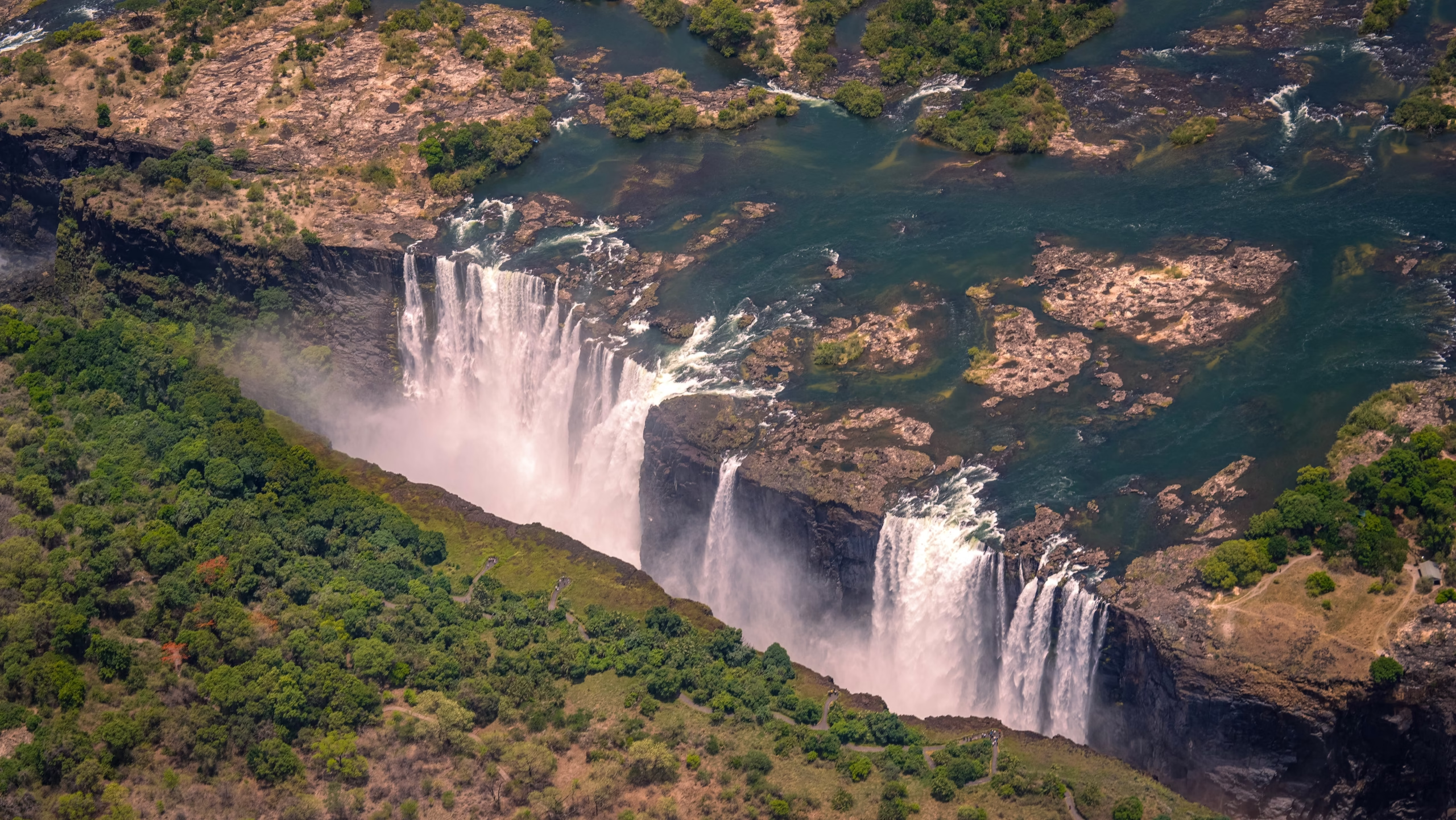
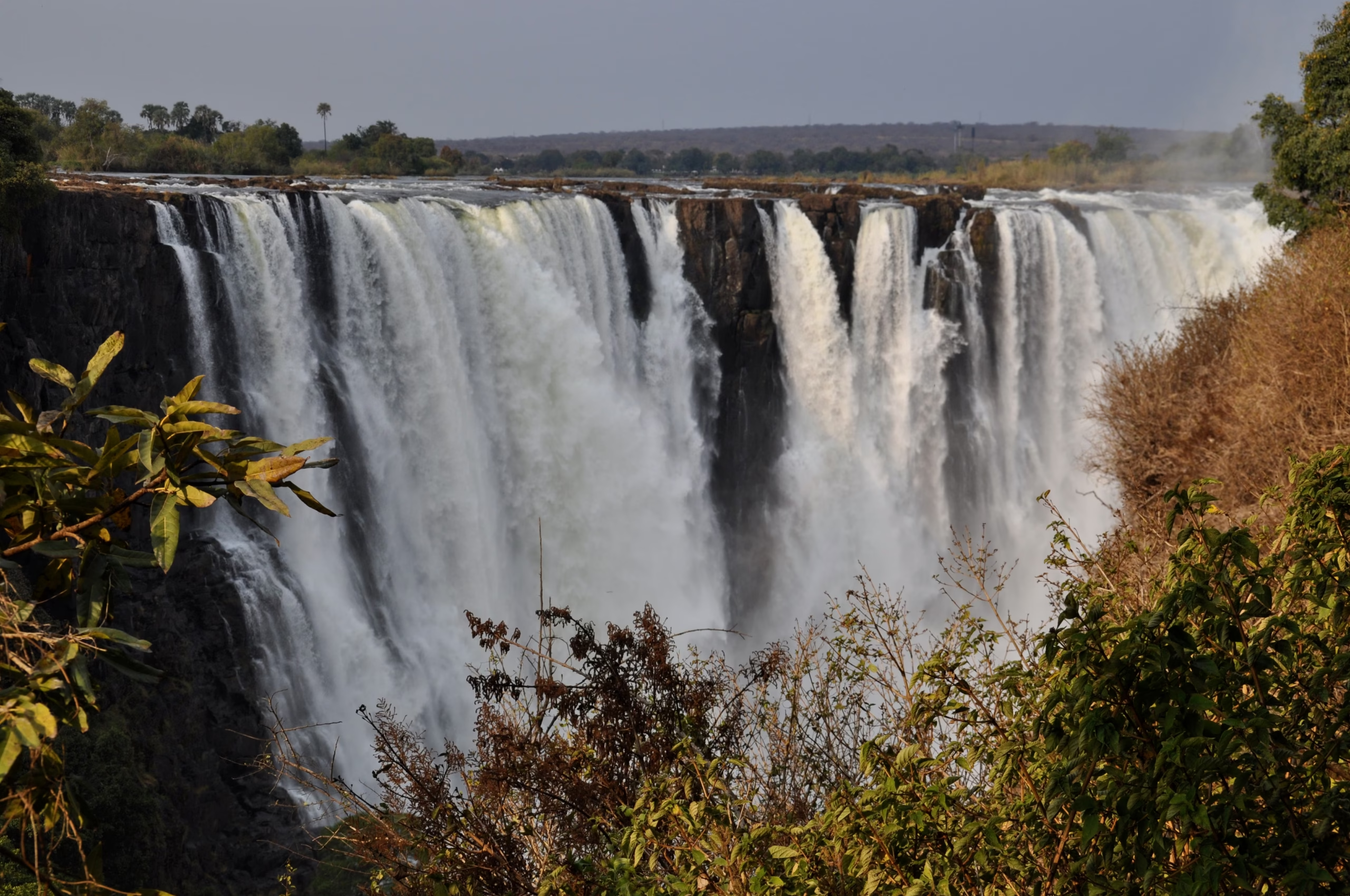
If you consult a regional map to see where would you find victoria falls, the river sits precisely along the frontier separating southern Zambia from northwestern Zimbabwe. Because of a sharp geological bend in the basalt plateau, roughly two-thirds to seventy-five percent of the total canyon edge sits facing the Zimbabwean bank. When visiting victoria falls in zimbabwe africa, the main curtain of water plunges directly opposite the rainforest trail managed by the Zimbabwe Parks and Wildlife Management Authority, providing an unobstructed head-on view of the entire cascade.
The Zimbabwean Side Experience
Walking the sixteen paved viewpoints in Victoria Falls National Park gives you an uninterrupted sequence of panoramic views. Starting at Devil’s Cataract on the far western edge, the path winds past Main Falls, Horseshoe Falls, and Rainbow Falls. Deep underwater fissures keep the western channels flowing all year long. You get a direct, face-to-face look at the drop, whilst walking beneath a dense forest canopy fed by the perpetual cloud of spray.
The Zambian Side Experience
Understanding where is victoria falls zambia relative to the river helps clarify the northern experience. Mosi-oa-Tunya National Park, promoted by the Zambia Tourism Agency, offers an immediate, tactile encounter on the northern bank. Instead of long sweeping vistas across the abyss, the trail brings you right along the edge of the Eastern Cataract. You cross the Knife-Edge Bridge, suspended high above the canyon, where thick water droplets drench you in seconds. The trail down to the Boiling Pot takes you to the bottom of the gorge where the river violently swirls.
Seasonal Flow Dynamics and the Dry Season Reality
Water volume changes dramatically throughout the calendar year, making timing a critical factor for your itinerary. High water season spans from March through May after the summer rains upstream in Angola fill the Zambezi basin. During these months, millions of litres of water crash over the precipice every minute. The plume of mist rises over four hundred metres into the air, soaking both banks completely. You can read our detailed guide on seasonal water level fluctuations to see how the river behaves across different months.
By October and November, the dry season reaches its peak. The river drops to its lowest levels, exposing the dry basalt walls along the Zambian side. The Eastern Cataract frequently dries up entirely, leaving a bare rock face exposed to the sun. Zimbabwe maintains a strong, active flow even during these driest weeks due to the lower elevation of Devil’s Cataract and Main Falls. Travelers visiting in late spring must consider this when deciding which bank to stay on.
If your trip falls between October and December, prioritizing the Zimbabwean side is essential if you wish to see an active waterfall rather than bare cliff faces.
Eleanor Sterling, Senior Travel Editor
The Devil’s Pool Factor and Livingstone Island
Zambia possesses one unique feature that attracts thrill-seekers from all corners of the globe. Livingstone Island sits perched precariously on the brink of the gorge, right where David Livingstone first recorded his impressions in 1855. During the low-water season, typically from mid-August to early January, authorized guides conduct swimming excursions to Devil’s Pool and Angel’s Pool. Swimmers can lie in a natural rock tub directly on the edge while water rushes past into the abyss below. You cannot reach this specific spot from the Zimbabwean bank without crossing the border.
Infrastructure, Towns, and Walkability
Settling into your acommodation involves different practical setups depending on which side of the river you pick. Victoria Falls Town on the Zimbabwean bank sits right near the national park entrance. Most safari lodges, cafes, and hotels sit within comfortable walking distance of the gates, making it easy to walk into town without needing private transfers. Local craft markets and historic properties like the Victoria Falls Hotel line the quiet avenues, creating a walkable hub for independent explorers.
Livingstone in Zambia is a broader regional city located about ten kilometres north of the water fall entrance. Staying in Livingstone means taking taxis or organized shuttles whenever you want to visit the national park or go down to the riverbank. Livingstone offers a genuine Zambian urban experience with historical museums and local markets, but it lacks the immediate park-adjacent setup found in Zimbabwe. Those interested in local security details can check our analysis on whether Zimbabwe is safe for international tourists.
Financial Breakdown and 2026 Entry Fees
Budget planning differs significantly between the two countries. The national park entry fees reflect the difference in total viewpoints and path infrastructure. Here is a clear comparison of costs for international visitors planning their trips in 2026.
| Category | Zimbabwe (Victoria Falls NP) | Zambia (Mosi-oa-Tunya NP) |
|---|---|---|
| International Entry Fee (2026) | US$58 per person | US$20 – US$30 per person |
| Park Opening Hours | 06:00 to 18:00 daily | 06:00 to 18:00 daily |
| Distance from Town Centre | Under 1 km (walkable) | Approx. 10 km (requires taxi) |
| Percentage of Viewpoints | Roughly 75% | Roughly 25% |
| Exclusive Activity Access | Canopy tours, helicopter flips | Devil’s Pool, Livingstone Island |
Entry tickets are valid for single entry only on both sides, meaning if you leave for lunch, you must pay again to re-enter. Visitors often purchase guided tours or book through third-party ticket providers to combine transfers and park entry seamlessly.
Cross-Border Logistics and the KAZA UniVisa
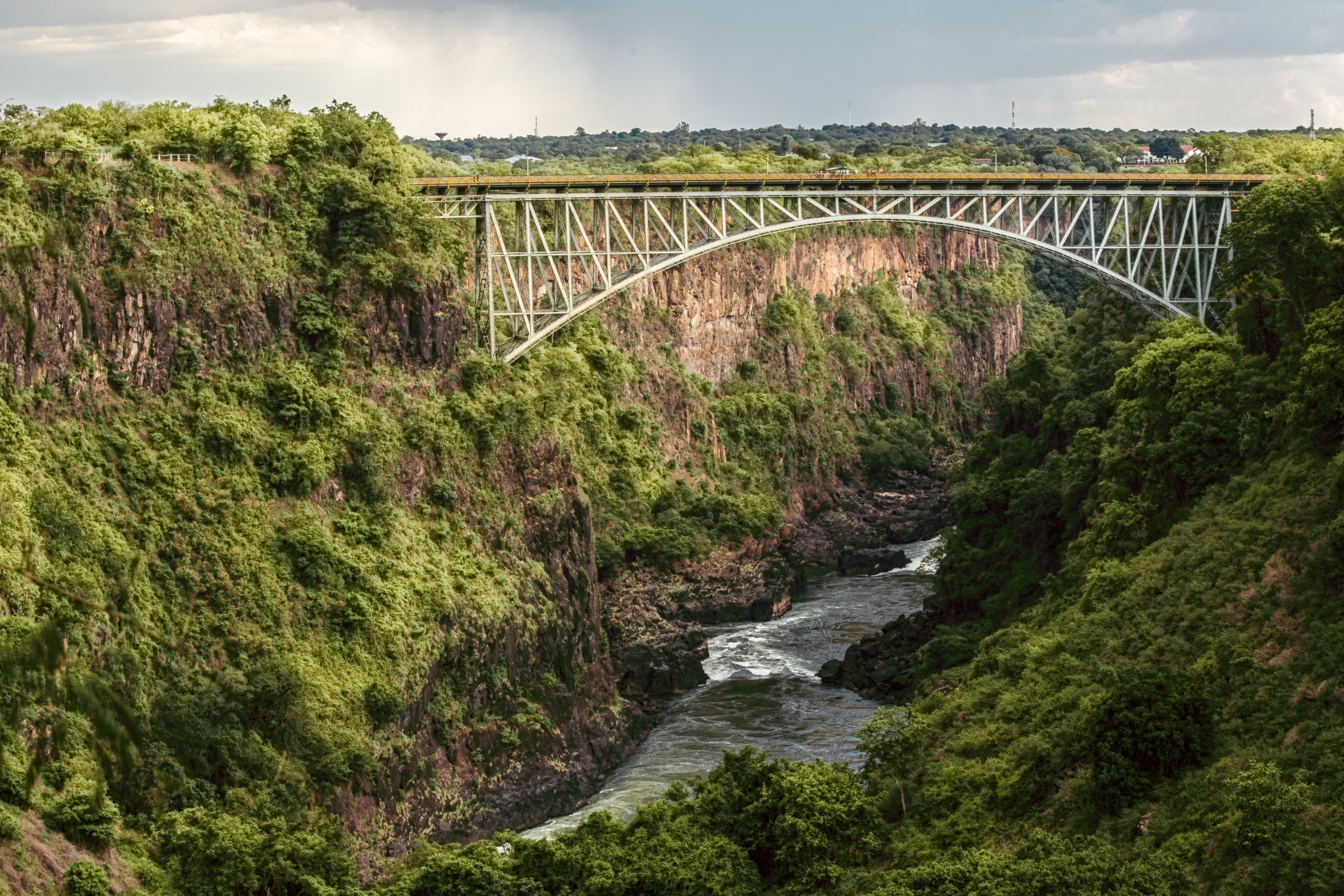
Choosing one side as your hotel base does not mean missing out on the opposite bank. The historic Victoria Falls Bridge connects the two border posts, offering simple transit between countries. Eligible travelers can acquire the KAZA UniVisa for US$50 upon arrival at major airports or border posts according to regulations from the Zambia Department of Immigration. This visa allows unrestricted 30-day travel between Zimbabwe and Zambia, as well as day trips into Botswana across the Kazungula border post.
Walking across the bridge is an experience in itself. Bungee jumpers leap from the iron framework into the gorge below, whilst freight trains occasionally rumble past carrying goods across southern Africa. You will hand your passport to immigration officials on each bank, a simple process that usually takes under thirty minutes unless large tour buses arrive simultaneously. To plan your airport transfers and border crossings, read our full guide on how to get to Victoria Falls.
Photographic Opportunities and Golden Hour Light
Photographers face distinct conditions on each riverbank. The Zimbabwean side shines during morning light when the rising sun illuminates the face of the cascading water, projecting bright double rainbows across the mist. The wide, sweeping trails let you frame massive panoramic shots capturing the immense scale of the canyon. You can read our Niagara vs Victoria Falls comparison to see how the gorge dimensions compare on a global scale.
Afternoon light favours the Zambian side, illuminating the rocky edge of the gorge as the sun sets behind the Zimbabwean forest. Managing camera moisture requires vigilance on both sides. Heavy spray during peak flow can easily ruin delicate electronics, making dry bags and microfibre lens cloths mandatory equipment. Teh mist on the Zimbabwean trail is so intense at Viewpoint 8 that it feels like walking through a heavy downpour.
Early morning on the Zimbabwean path offers the finest golden hour light in the region, turning the rising spray into a glowing curtain of amber and gold.
Family and Accessibility Considerations
Travellers visiting with children or mobility challenges will find noticeable differences in trail infrastructure. Victoria Falls National Park in Zimbabwe features smooth paved paths fitted with low stone barriers along most of its sixteen viewpoints. Pushchairs and wheelchairs can access the vast majority of the main trail from the entrance gate down to Rainbow Falls. Benches sit along shaded trail sections, allowing visitors to rest whilst listening to the thunderous roar.
The Zambian side involves more rugged, natural terrain. Crossing the Knife-Edge Bridge requires negotiating narrow stone steps that get slick from constant water spray. The descent to the Boiling Pot involves a steep, uneven stone staircase through riverine forest that can be challenging for visitors with joint pain or limited mobility. Reviewing the official visitor rules and guidelines helps families prepare for safety protocols near open cliff edges.
Combined Safari Itineraries
Your choice of base often matches the broader safari circuit you plan to experience across Southern Africa. Basing yourself on the Zimbabwean side offers seamless connections to Hwange National Park, famous for its massive elephant herds, as well as easy land transfers to Botswana’s Chobe National Park. Many travelers arrange a morning gorge walk before heading out on afternoon Zambezi sunset cruises and river safari activities.
Choosing Zambia links naturally with regional flights into South Luangwa National Park or Lower Zambezi National Park, two of Africa’s premier walking safari destinations. Livingstone Airport handles direct regional flights from Johannesburg and Lusaka, providing smooth travel connections for those focusing their entire trip on Zambian wilderness areas.
Verdict by Traveller Type
Deciding is it better to visit Victoria Falls from Zambia or Zimbabwe comes down to individual travel preferences. Here is how the choice breaks down based on visitor priorities:
- First-time Visitors: Zimbabwe offers the classic, iconic panorama that most people picture when visiting Mosi-oa-Tunya.
- Adrenaline Seekers: Zambia provides access to Devil’s Pool, micro-light flights over the gorge, and up-close spray on the Knife-Edge Bridge.
- Photographers: Zimbabwe has more viewpoints, superior morning light, and continuous water flows during dry months.
- Walkable Town Base: Zimbabwe allows you to stay in Victoria Falls Town and walk straight to the park gate without taking daily taxis.
- Budget Travelers: Zambia offers lower park entry fees, though transport costs to the park gate can balance out the savings.
Final Verdict
While experiencing both sides using the KAZA UniVisa represents the ultimate way to appreciate this natural wonder, Zimbabwe remains the definitive base for most international travelers. Its vast majority of viewing points, year-round water flows, and walkable town infrastructure ensure an unbeatable holiday experience. Combining a stay in Victoria Falls Town with a day excursion across the bridge to Zambia offers the best of both worlds, giving you full panoramic vistas alongside up-close thrill seeking on the Zambezi River.