Health Precautions: Do You Need Malaria Pills for Victoria Falls?
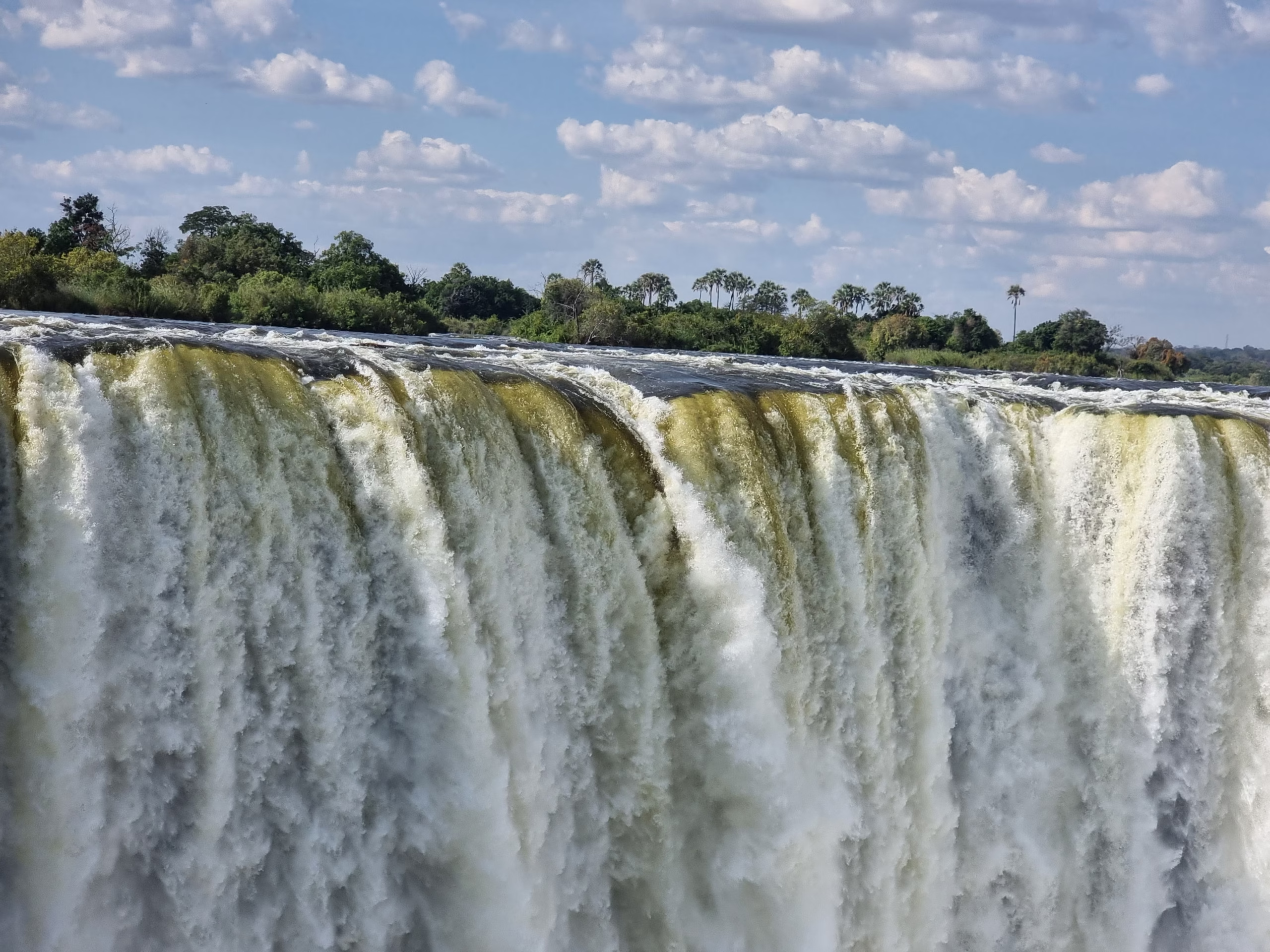
Living alongside the Zambezi River means experiencing the glorious daily ritual of golden hour light over the gorge, but watching teh mist rise from Mosi-oa-Tunya also serves as a subtle reminder of the surrounding environment. If you are wondering where is victoria falls africa located, the region sits along the lowveld border between Zimbabwe and Zambia. This low elevation creates a tropical river ecosystem where mosquitoes thrive, making health preparation an essential step before boarding your flight.
Understanding the Risk Profile: Year-Round Transmission
Victoria Falls sits at an altitude under 1,200 metres above sea level. This relative lowlands environment, paired with warm temperatures and abundant river water, creates conditions where malaria-carrying Anopheles mosquitoes breed easily. The transmission risk exists twelve months of the year. Peak risk corresponds with the summer rainy season from November to April, when standing water collects in the surrounding acacia scrubland. Even during the dry winter months from May to October, mosquito populations persist near the riverbank and hotel gardens. Prophylaxis is necessary regardless of which month you plan your safari.
Schedule an appointment with a travel health clinic four to six weeks prior to departure to review your health history and secure appropriate prescriptions.
Choosing Your Prophylaxis: Antimalarial Options
When prospective travellers ask, “Do I need malaria pills for Victoria Falls?”, medical professionals universally answer yes. The Zambezi basin is a recognized high-risk area for chloroquine-resistant Plasmodium falciparum, the most dangerous parasite strain. Selecting the right preventative tablet depends on your medical history, duration of stay, and tolerance for potential side effects. You should discuss choices with a qualified medical specialist who you can comfortably speak with.
Atovaquone-Proguanil (commonly sold under the brand name Malarone) is the most popular choice for short-term visitors. It requires taking one tablet daily, starting one to two days before entering the endemic area, continuing daily during your stay, and finishing seven days after leaving. Doxycycline is an economical daily antibiotic alternative, but it increases skin sensitivity to sunburn, which requires extra care under the African sun. Mefloquine is taken once weekly, starting two to three weeks before departure, but it is unsuited for people with a history of anxiety, depression, or sleep disorders.
Antimalarial Medication Comparison
| Medication | Dosing Schedule | Start Date | Post-Travel Duration | Key Considerations |
|---|---|---|---|---|
| Atovaquone-Proguanil | Daily tablet | 1–2 days before entry | 7 days after leaving | Well tolerated, short post-trip regimen, higher cost |
| Doxycycline | Daily tablet | 1–2 days before entry | 28 days after leaving | Affordable, causes sun sensitivity, must take with food |
| Mefloquine | Weekly tablet | 2–3 weeks before entry | 28 days after leaving | Convenient dosage schedule, potential vivid dreams or mood changes |
Personal Barrier Protection and Accommodation Defense
Pills reduce the risk of contracting malaria if bitten, but preventing bites remains your first line of defense against vector-borne infections. Mosquitoes carrying malaria feed primarily between sunset and sunrise. As afternoon light shifts to twilight, apply an insect repellent containing 20% to 30% DEET or Picaridin to exposed skin. Spraying clothing with permethrin adds an effective extra barrier.
Evening dining in Victoria Falls town often takes place alfresco. Wearing loose, lightweight, long-sleeved shirts and full-length trousers in neutral tones protects skin without causing overheating. Accommodations across the region take vector control seriously. Most lodges feature screened windows, overhead ceiling fans, or air conditioning units that keep mosquitoes from flying indoors. Sleeping under a treated mosquito net provides peaceful rest when staying in open-sided safari tents or traditional thatched chalets.
Yellow Fever Regulations
Zimbabwe does not require a Yellow Fever vaccination certificate for travellers arriving directly from non-endemic countries like the UK, EU, or USA. If your travel route includes a stopover exceeding 12 hours in a Yellow Fever country, or if you cross the Victoria Falls Bridge into Zambia from an endemic zone, border officials expect to see an official vaccination card. Check official guidance on the CDC Travel Health portal before departure.
Routine Immunisations
Ensure your standard childhood immunisations are current. Travel health advisers like FitForTravel UK recommend updates for Tetanus, Diphtheria, Hepatitis A, Typhoid, and Polio. These routine vaccines protect against food and waterborne contaminants that occur when exploring remote border regions.
Water Safety and Hydration in the Lowveld
Dehydration happens quickly in the dry heat of the Zambezi valley. Municipal tap water in Victoria Falls town undergoes treatment, but local mineral contents vary significantly from domestic water supplies back home. Sensitive stomachs often react poorly to sudden changes in tap water minerals. Drinking sealed bottled water or purified water from hotel filtration stations avoids mid-trip stomach disruptions.
When taking day excursions into rural areas or visiting national parks managed by the Zimbabwe Parks and Wildlife Management Authority, carry ample bottled water. Avoid ice in drinks at remote roadside stalls, though established restaurants and safari lodges use purified ice made from filtered water systems.
Can You Swim in Victoria Falls?
Many first-time visitors wonder: Can you swim in Victoria Falls? The simple answer is that swimming in the main river directly above or immediately below the precipice is extremely dangerous and strictly prohibited. Fast-moving currents can sweep swimmers over the 108-metre drop within seconds. The calmer pools of the upper Zambezi also host wildlife such as hippos and Nile crocodiles. Beyond physical dangers, slow-moving river channels carry a risk of schistosomiasis (bilharzia), a parasitic infection spread by freshwater snails.
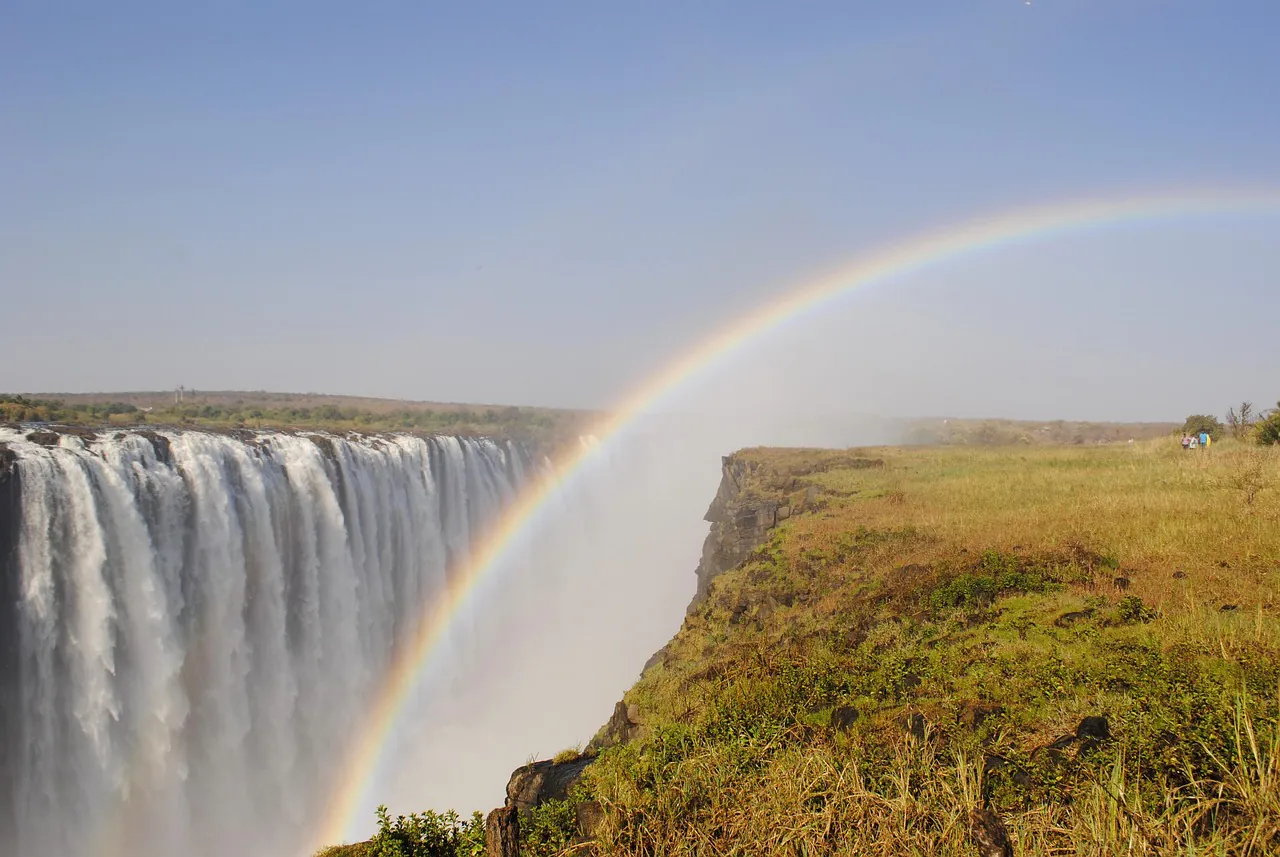
The famous Devil’s Pool allows seasonal swimming right at the edge, but this activity sits on the Zambian side of the lip and operates only during low-water months under strict licensed guide supervision. On the Zimbabwean side, stick to hotel swimming pools for cooling off after a warm day on the trail.
Any unexplained fever or flu-like symptoms occurring during your journey, or up to a year after returning home, requires urgent medical evaluation with explicit mention of your trip to Africa.
Recognizing Symptoms and Local Medical Infrastructure
Early symptoms of malaria resemble a standard seasonal flu, starting with high temperature, chills, body aches, joint pain, and headache. Symptoms typically appear ten to fifteen days after an infectious mosquito bite, though delayed onset can happen when taking prophylactic pills inconsistently. Prompt diagnosis makes malaria straightforward to treat with modern artemisinin-based combination therapies.
Victoria Falls town possesses reliable basic medical clinics equipped with rapid diagnostic malaria tests that deliver results in twenty minutes. Private clinics near the town centre handle minor health issues, dehydration, and prescription refills smoothly. Detailed information regarding general destination security and local health infrastructure is accessible through our guide on Zimbabwe safety and travel tips.
For critical medical conditions or serious injuries requiring specialized surgical care, patients are transported to major hospitals in South Africa. Having comprehensive international health insurance that explicitly includes emergency air evacuation cover is a vital safeguard for every traveler visiting southern Africa. Verify your insurance policy details prior to departure so you can explore the magnificent gorge with complete peace of mind.